

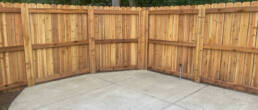
One of the first questions homeowners ask when planning a new fence is when they should schedule it. In Colorado, the answer depends on more than the calendar. Weather, ground conditions, contractor availability, HOA approvals, and the material you choose all play a role in how smoothly a project goes and how quickly your yard is ready to use.
The good news is that fences can be installed during most of the year along the Front Range, but each season comes with its own advantages and tradeoffs. In this guide, we walk through how timing affects fence installation, why many homeowners plan in the fall, and how to schedule your project so it’s finished when you need it. Whether you’re planning fence installation in Arvada or anywhere else in the Denver Metro area, these tips will help you pick the right window.
How Colorado’s Seasons Affect Fence Installation Along the Front Range
Colorado weather can change quickly, and each season brings different conditions for digging, setting posts, and building a fence that lasts.
Spring
Spring is when most homeowners start thinking about outdoor projects, which makes it the busiest time of year for fence companies. Schedules fill quickly, and wait times can stretch longer than many people expect. Spring weather is also unpredictable, with late snowstorms, wet ground from snowmelt, and strong winds that can delay work for a day or two at a time.
Summer
Summer offers long days and dry ground, which makes for efficient installation. The tradeoff is demand. Many homeowners want their fence finished before barbecue season, pool days, or a new puppy arrives, so booking ahead is important. Intense afternoon heat and sun can also affect how quickly freshly stained wood dries.
Fall
Fall brings cooler temperatures, drier and more stable weather, and softer ground that’s still easy to dig. Demand typically eases after the summer rush, which often means more scheduling flexibility.
Winter
Winter installation is possible on many days along the Front Range, since sunny stretches often follow cold snaps. Frozen ground and heavy snow can slow progress, but mild winter weeks can be surprisingly productive. Homeowners planning fence installation in Boulder and nearby foothill communities should expect conditions to vary more with elevation.
Across every season, the most reliable approach is to stay flexible by a few days. Colorado weather rarely cancels a project outright, but a storm or a hard freeze can shift the start date slightly. Building a little cushion into your timeline, especially if you need the fence finished before a specific date, helps keep the process stress-free.
Why Fall Is Often the Sweet Spot for Colorado Fence Projects
For many homeowners, fall offers the best balance of good weather, workable ground, and availability. After the spring and summer rush, contractor calendars usually open up, making it easier to lock in a start date that works for your schedule. That extra breathing room also gives you more time to talk through design options, compare materials, and make decisions without feeling rushed.
The weather helps too. Cooler temperatures are easier on crews and materials, and fall along the Front Range tends to bring long stretches of dry, stable days. The ground is typically still soft enough for efficient post digging, which keeps projects moving on schedule. It also means concrete footings can set before the deepest winter cold arrives.
Fall installation is also easier on your landscaping. Many plants, shrubs, and lawns are heading into dormancy, so they recover better from foot traffic and digging than they would in the middle of the growing season. By spring, your yard has time to bounce back and your fence is already in place.
Timing matters for wood fences in particular. Installing a wood fence in the fall gives the boards time to acclimate to Colorado’s dry climate before staining in spring, when temperatures are more consistent. Our standard steel PostMaster posts also give the fence a solid foundation to handle its first winter of snow and wind.
Perhaps the biggest benefit is simple readiness. A fence installed in the fall means your yard is secure through the winter and ready for pets, kids, and outdoor living as soon as the weather warms up, instead of waiting in line with everyone else.
Can You Install a Fence During a Colorado Winter?
Yes, in many cases you can. Front Range winters often include mild, sunny stretches that allow installation to continue, though a few factors can affect the schedule.
Advantages of Winter Installation
- More scheduling flexibility: Winter is a slower season for most fence work, so it can be easier to find an installation date that fits your plans.
- Less impact on landscaping: Dormant lawns and plants handle construction activity better than actively growing ones.
- Ready for spring: Your fence is complete before the busy season starts, so you can enjoy your yard the moment the weather turns.
- Fix problems before they grow: A damaged or leaning fence can get worse through winter wind and snow, so replacing it sooner can prevent bigger issues.
Challenges to Plan Around
- Frozen ground: Digging post holes takes more effort when the top layer of soil is frozen, which can add time to a project.
- Snowstorms: Heavy snow may pause work for a day or more until the site is clear and safe.
- Concrete curing: Cold temperatures slow the curing process, so experienced crews adjust their approach and timing to keep footings strong.
- Staining: Wood stain usually needs warmer temperatures to apply properly, so staining a winter-installed wood fence is often scheduled for spring.
Simpler, functional projects like dog runs or perimeter fencing often move forward easily in winter. If you’re considering that type of project, our look at whether chain link fencing is still a smart choice can help you decide on material.
The key to a successful winter project is working with a team that watches the forecast closely and communicates clearly about any schedule changes, so you always know what to expect.
How Fence Material and Project Type Affect Timing
The type of fence you choose can influence the best time to install it. Wood is the most weather-sensitive when it comes to finishing. Installation can happen in most seasons, but staining or sealing works best in mild, dry weather. Many homeowners install in fall or winter and stain in spring, which also gives the wood time to dry out and accept stain more evenly.
Vinyl expands and contracts with temperature, so installers account for spacing based on conditions at the time of installation. It can also be more brittle in very cold weather, which means extra care during handling on the coldest days. With the right approach, vinyl can still be installed through much of the year.
Metal fencing, including aluminum and steel, is generally less affected by temperature during installation. Composite options like Trex also require no staining, so they’re a flexible choice for off-season projects. If you’re curious about composite, we explain the process in our post on Trex fence installation for homeowners.
Larger or more complex projects need extra lead time regardless of season. Custom designs, long property lines, sloped yards, and specialty materials may require ordering, planning, and coordination before work begins. Gate automation is another example. Projects that include custom gates and automation often involve electrical planning and access control setup, so it’s smart to start the conversation early.
For most standard residential fences, the installation itself moves quickly. We complete most residential projects in just a few days once work begins, so the bigger timing factor is usually how far in advance you book.
Planning Ahead: Permits, HOA Approvals, and Scheduling in the Denver Metro Area
Weather isn’t the only thing that affects timing. A few steps before installation can add weeks to your timeline if you don’t plan for them.
Check Permit Requirements
Some cities require a permit for new fences, especially for taller fences, front yard fences, or fences near property lines and sidewalks. Requirements vary by city, so it’s worth confirming the rules for your area early. Approval times can also vary depending on the season and local workload.
Allow Time for HOA Approval
If you live in an HOA community, you’ll likely need approval for your fence style, material, height, and color before work can begin. Some boards meet only monthly, which can add time. We work with communities through our HOA fencing services and can help you prepare the details your board needs.
Locate Property Lines and Utilities
Knowing exactly where your property line sits helps avoid disputes with neighbors. Underground utilities must also be marked before any digging begins, which is a required step for every fence project.
Book Early for Peak Season
If you have your heart set on a spring or early summer installation, reach out well before the weather warms up. Getting your quote, material selection, and approvals handled during the winter means your project can move forward as soon as your spot on the schedule opens, rather than waiting for paperwork to catch up.
Coordinate With Other Outdoor Projects
If you’re also planning a patio, pergola, or landscaping, think about the order of work. Installing the fence first often makes sense, since it defines the space. Our guide on what to add to your backyard after a new fence offers ideas for the next phase.
Fence Timing Checklist for Colorado Homeowners
Use this checklist to plan your project and keep your timeline on track.
- Decide when you need the fence finished, such as before spring, a new pet, or a family event.
- Request quotes several weeks ahead, especially if you want spring or summer installation.
- Consider fall or winter installation for more scheduling flexibility.
- Confirm any permit requirements for your city.
- Submit HOA paperwork early if your community requires approval.
- Plan staining for mild spring weather if you choose wood.
- Allow extra lead time for custom designs, gates, or automation.
- Coordinate the fence with any upcoming landscaping or outdoor living projects.
Still deciding on a style? Browse our project gallery for ideas that can help you finalize your plans sooner.
Schedule Your Colorado Fence Installation With Confidence
The best time to install a fence is the time that fits your goals, your property, and your schedule. For many Colorado homeowners, fall and winter offer more flexibility and a yard that’s ready to enjoy by spring. Whenever you plan to build, getting started early makes the whole process easier.
We provide free quotes within 24 hours, complete most residential projects in just a few days, and offer financing options to help your project fit your budget. Our team will help you choose the right material and plan a timeline that works for you. Request a Free Quote today to reserve your spot.
Ready for an expert opinion? Get in touch today!
Explore GreenView Solutions’ blog for expert advice, tips, and trends on fencing, outdoor living, and landscaping. Stay informed with our latest insights and design inspiration for your property.
Like this article? Spread the word!
Related Posts

November 2, 2026
GreenView Solutions’ Guide to Fencing Mountain Properties in Estes Park
Planning a fence for a mountain property in Estes Park? Learn about materials, wildlife,…

October 2, 2026
How Long Does Fence Installation Take in Superior, CO?
Wondering how long fence installation takes in Superior, CO? Learn what affects the…

November 1, 2026
Vinyl vs. Wood Fencing: Which Holds Up Better in Colorado Weather?
Vinyl vs. wood fencing in Colorado: see how each handles snow, sun, and wind, plus upkeep…