
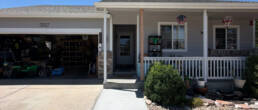
A new driveway is one of the most used surfaces on your property. You drive on it every day, shovel it every winter and park on it through hail, heat and everything in between. So when you start asking how much a concrete driveway costs, you want an answer that holds up once the work actually begins.
The honest answer is that concrete driveway cost depends on factors you cannot see in a photo: what is underneath the old surface, how water moves across your lot, what vehicles will park there and how the slab is built to handle Colorado freeze-thaw cycles. In this guide, we break down each of those cost factors so you can plan a realistic budget and compare bids with confidence, whether you are in Boulder, Arvada or elsewhere on the Front Range, and whether you need a simple replacement or a full driveway with an RV pad.
Why There Is No Single Answer to Concrete Driveway Cost
National averages for the cost of a concrete driveway are easy to find, but they blend together very different projects. A short, flat pad poured on undisturbed soil has little in common with a long, sloped driveway that needs an old slab removed, drainage corrected and a thicker section for a camper. Both are “a concrete driveway,” yet the labor, materials and equipment involved are not close.
Local conditions widen the gap even more. Front Range soils range from expansive clay that swells when wet to rocky fill that needs extra grading. Our climate swings from warm afternoons to hard freezes, sometimes in the same week, and that movement puts real stress on concrete that was not built for it. A driveway designed for those conditions costs more up front than one poured to the minimum, but it is also far less likely to crack, heave or settle in the first few winters.
Your timeline and site access play a role too. A driveway with clear access for a concrete truck is simpler than one tucked behind a narrow side yard, and projects that combine several surfaces at once can be planned more efficiently than separate jobs.
That is why we focus on cost factors rather than a flat number. Once you understand what drives the price, a written bid starts to make sense line by line. If you want to see the full scope of the work we do, including poured concrete, pavers and RV pads, our concrete driveways and RV pads page covers each option.
Tear-Out, Grading and Base Prep: Where Much of the Work Happens
Much of what you pay for in a driveway happens before any concrete is poured. These early steps decide how long the finished surface will last.
Removing the Old Driveway
If you are replacing an existing driveway, the old concrete, asphalt or gravel has to be broken up and hauled away. The cost to replace a concrete driveway is usually higher than pouring a new one on open ground for this reason. Thicker slabs, reinforced concrete and limited access for equipment all add time to tear-out.
Grading and Drainage
A driveway should move water away from your home and garage, not toward them. Grading sets the slope, and some lots need additional drainage planning where runoff collects or where the driveway meets the street. Poor drainage is one of the most common reasons driveways crack early, so this step protects your investment.
Compacted Base
Under the concrete, a properly compacted base gives the slab even support. Soft or expansive soils may need more excavation and more base material to keep the driveway from shifting as the ground freezes and thaws. Skipping or thinning the base is one way some bids come in low, and it usually shows up later as settling or cracks.
When comparing bids, ask each contractor how they handle tear-out, grading and base depth. Those details explain much of the difference between quotes. If your project includes a new gate at the end of the driveway, it is worth planning both together, since custom driveway gates often need posts, power or a track that ties into the concrete.
How Size, Thickness and Vehicle Weight Shape the Price
The size of your driveway is the most obvious cost factor. A longer or wider driveway needs more concrete, more forming and more labor to place and finish. Curves, flares at the street and extra parking areas add forming time as well. But size is only part of the story. Thickness and reinforcement matter just as much, and they are driven by what will be parked on the surface.
A driveway that only sees passenger cars can be built differently from one that carries trucks, trailers or a motorhome. Heavier vehicles call for a thicker slab and appropriate reinforcement so the concrete can carry the load without cracking. That adds material and labor, but it is far less expensive than replacing a driveway that was built too thin for how it is used.
RV pads are a good example. So many homeowners on the Front Range own campers, trailers and motorhomes that a dedicated RV pad has become a common addition. These pads need enough length and width for the vehicle plus room to open doors and walk around it, a thicker section to handle the weight and a smooth approach so the vehicle can pull on without bottoming out. Planning an RV pad at the same time as a new driveway is often more efficient than adding it later.
We see these projects regularly in Longmont, Erie and other communities with larger lots, where there is room for a full RV pad alongside the main driveway. If you are in that area, our Longmont service area page outlines the fencing, concrete and outdoor work we handle there as well.
Finishes, Pavers and Details That Change the Cost of a Concrete Driveway
Once the structure is set, the finish you choose shapes both the look and the price. Here are the options that most often come up during a site visit:
- Broom finish. A standard textured finish that provides traction in snow and rain. It is the most economical option and works well for most driveways.
- Stamped concrete. Patterns pressed into the surface to resemble stone, brick or slate. Stamping adds labor and often coloring, which raises the concrete driveway price compared to a plain finish.
- Color and decorative borders. Integral color, a contrasting border or a decorative apron at the street can add curb appeal without stamping the entire surface.
- Paver driveways. Concrete pavers set over a prepared base cost more to install than a poured slab, but individual pavers can be lifted and reset if the ground moves. Some homeowners combine a poured driveway with a paver border or entry.
- Exposed aggregate. A finish that reveals the stone in the mix for a textured, natural look.
- Sealing. A sealer helps protect the surface from moisture and de-icing products, and it may be included in the initial project or done afterward.
Finish choices are also a good time to think about the rest of the property. Many homeowners plan a driveway alongside a new patio or backyard space, and our outdoor living and landscaping work can be designed so materials and colors tie together. Seeing finishes in person also helps, so ask to look at finished examples before you choose rather than relying on a single catalog photo.
Colorado Freeze-Thaw and Why Building It Right Costs Less Over Time
Water is the biggest enemy of any driveway in our climate. Moisture works its way into small gaps, freezes overnight, expands and then thaws again the next afternoon. Repeat that cycle through a Front Range winter and poorly built concrete starts to crack, flake and heave.
A few construction details make a real difference. Control joints are cut or tooled into the slab at planned intervals so that, when concrete naturally shrinks and moves, it cracks along those lines instead of randomly across the surface. Proper slope keeps water from sitting on the driveway. A solid base reduces the soil movement underneath. The concrete mix and curing process also matter, especially when pouring in cooler weather.
These steps add some cost compared to a bare-minimum pour, but they are what help a driveway look good and stay level for years. When you compare bids, a lower number that skips joints, drainage or base work often costs more in the long run.
You may also be weighing concrete against asphalt. We do not install asphalt, so we will be upfront about that. For many Colorado homeowners, concrete makes sense because it holds up well in heat, does not soften on hot days and offers more finish options. Asphalt can be a fit for some properties, and the right choice depends on your priorities and how long you plan to stay.
Our Boulder fence company office handles concrete projects across Boulder County, and the same owner-led team manages each job from bid to final walkthrough.
Concrete Driveway Cost Checklist for Front Range Homeowners
Use this list to prepare before you request bids, so every quote covers the same scope:
- Note whether you need an old driveway removed or are building on open ground.
- Measure the approximate length and width, including any parking extensions.
- List the heaviest vehicles that will use the driveway, including trucks, trailers and RVs.
- Watch where water flows and collects during rain or snowmelt.
- Decide on a finish: broom, stamped, colored, exposed aggregate or pavers.
- Check HOA rules for driveway width, materials or color.
- Think about related work, such as a gate, RV pad or patio, that could be planned together.
- Ask each contractor about base depth, slab thickness, reinforcement and control joints.
Having these answers ready makes it easier to compare bids side by side and spot what one quote includes that another leaves out. It also helps you have a more productive site visit, since we can spend the time on your options instead of basic measurements.
Plan Your New Driveway With Our Family-Owned Team
The best way to understand your concrete driveway cost is to have someone look at your soil, slope, drainage and how you will use the space. At GreenView Solutions, Brandon meets every client, writes every bid and manages the project through the final walkthrough. We usually schedule site visits within one to three days, and your written bid arrives within 48 hours of the visit. Final payment is collected only after you are happy with the work, and financing options are available through Synchrony.
Ready to see what your driveway or RV pad will take? Request a Free Quote and let’s build a driveway made for Colorado winters, heavy vehicles and years of daily use.
Planning a Fence or Outdoor Project?
Talk to the family behind GreenView. Request a free quote and we’ll schedule a site visit, usually within one to three days. Your written bid follows within 48 hours.
Found This Helpful? Share It.
Related Posts
November 9, 2026
When Is the Best Time to Install a Fence in Colorado?
When is the best time to install a fence in Colorado? See how each season, HOA approvals…
November 9, 2026
How Much Does Artificial Turf Installation Cost in Colorado?
What drives artificial turf installation cost in Colorado? Learn how base prep, turf…
June 27, 2025
Comparing Fence Materials: Pros, Cons, and Costs
Explore the pros, cons, and costs of popular fencing materials including wood, vinyl,…