
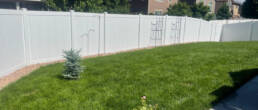
Most people start thinking about a new fence when they need it right away: a new puppy, a sagging old fence or a neighbor who just took theirs down. But timing makes a bigger difference than many homeowners expect. The season you choose can affect how quickly you get on the schedule, how smoothly installation goes and even when a wood fence can be stained.
So when is the best time to install a fence in Colorado? The short answer is that fences can go in during most of the year here, but each season comes with trade-offs. In this guide, we walk through what to expect in winter, spring, summer and fall on the Front Range, how booking windows and HOA approvals fit in and how to choose timing that works for your yard and your material.
Can You Install a Fence During a Colorado Winter?
Many homeowners assume fence work stops completely once the temperature drops. On the Front Range, that is not always the case. Our winters often include long stretches of mild, dry weather between storms, and fence projects can move forward on many of those days. There are a few things to keep in mind, though.
Frozen Ground
Fence posts need solid, properly dug holes. When the top layer of soil is frozen hard, digging takes longer and may need to wait for a warmer stretch. This can add some flexibility to the schedule, so winter projects work best when you are not tied to an exact date.
Snow and Site Access
Heavy snow can cover property lines, hide sprinkler heads and make it harder to move materials into the backyard. Crews usually wait for snow to clear or melt off before starting layout.
Concrete and Cold Temperatures
Post footings are often set in concrete, and cold weather slows curing. Installers plan pours around the forecast to give footings a good start.
Why Winter Can Still Make Sense
The biggest advantage of winter is planning time. It is a great window to get a site visit, compare bids, choose materials and submit any HOA paperwork so your project is ready to go when the ground cooperates. Homeowners who plan in winter are often first in line once the spring rush begins. Winter is also a good time to look at your property with the leaves down, since it is easier to see sight lines, slopes and where privacy matters most.
Why Spring Is the Busiest Season for Fence Installation on the Front Range
When people ask when to install a fence, spring is usually the season they have in mind. Warmer days, softer ground and the start of outdoor living season make it the most popular time of year for new fences in Boulder, Arvada and the surrounding communities.
That popularity is exactly what makes spring tricky. Everyone has the same idea at the same time. Families want the yard ready for dogs and kids by summer, HOAs schedule community replacement projects and homeowners who put off a fence over the winter all call within a few weeks of each other. Installation schedules fill up quickly, and the gap between signing a bid and seeing a crew in your yard can stretch.
Our installs are typically booked three to six weeks out, and that window is most noticeable in spring. If you call in late April hoping to have a fence before a Memorial Day cookout, the calendar may already be full. If you get your quote in January or February, you have time to compare options, settle on materials and lock in a start date before demand peaks.
Spring weather on the Front Range can also be unpredictable. A warm week can be followed by a late snowstorm, and wet ground can slow digging. Building some flexibility into your timeline helps avoid frustration.
The takeaway is simple: spring is a great season for installation, but it is a better season if your planning is already done. For most homeowners, our wood fence installation and staining projects, along with vinyl, metal and chain link work, go smoothest when the quote and design are finished before the rush begins.
Summer and Fall Fence Installation: What to Consider
Spring gets most of the attention, but summer and fall both have advantages that are easy to overlook.
Summer Fence Installation
- Dry, workable ground. Long, dry stretches generally make digging and setting posts predictable.
- Long days. More daylight gives crews flexibility, which can help keep projects on schedule once they start.
- Outdoor season in full swing. If you want privacy for a patio, a secure yard for a new dog or a barrier around a pool, a summer install means you use the fence right away.
- Heat considerations. Hot afternoons can affect when concrete is poured and when wood stain is applied, so timing within the day matters.
Fall Fence Installation
- Often easier scheduling. Once the summer rush slows, it can be easier to find a start date that fits your calendar.
- Mild temperatures. Cooler, dry fall weather is comfortable for outdoor work and often good for staining.
- Ready before winter. A fall install means your fence is in place for winter and you avoid the spring wait entirely.
- Landscaping recovers by spring. Any lawn or bed disturbance from installation has the winter to settle.
For many homeowners, fall quietly ends up being the most convenient time to build. It combines good working weather with a less crowded calendar, and it sets you up to enjoy the yard from the first warm day of spring. We see steady fall demand across Boulder County and the west metro, and you can check whether your community is on our list of areas we serve before you call.
How Booking Windows, HOA Approvals and Permits Affect Your Timeline
The season is only one part of your fence timeline. Paperwork and scheduling often take more time than the installation itself, and planning for them is the real secret to getting your fence when you want it.
If you live in an HOA-governed neighborhood, you will likely need approval before any work begins. Most HOAs have architectural guidelines covering fence height, style, color and placement, and review committees may only meet once a month. Submitting your plans early avoids a situation where the crew is ready but approval has not come through. We see this often across Superior, Broomfield and other communities with active HOAs, and our HOA fencing contractor work includes helping homeowners and boards plan around those requirements.
Permits are another step to plan for. Rules vary by city, and some fence projects need a permit based on height, location or other factors. Homeowners are generally responsible for obtaining any applicable permits, and we offer permitting assistance upon request for an additional fee. Either way, it is worth building this step into your timeline instead of discovering it the week before installation.
Before every installation, we schedule utility locates so buried lines are marked before digging begins. That step needs a few days of lead time as well.
Put together, the full timeline from first call to finished fence often looks like this: a site visit within one to three days, a written bid within 48 hours of that visit, any HOA or permit approvals and then installation within the typical three to six week booking window. Planning backward from your target date makes all the difference. If you are in the west metro, our Arvada fence company office can help you map out that schedule.
Matching the Season to Your Fence Material
Different fence materials have slightly different timing considerations. Here is how the season can affect the most common options:
- Wood fences. Cedar and other wood fences can be installed in most seasons, but staining depends on dry weather and moderate temperatures. New wood often needs time to dry out before it absorbs stain well. Planning your install so the staining step lands in mild, dry weather helps the finish last longer, and our warranty packages explain how the Signature Protection Package includes those protective steps.
- Vinyl and Trex composite fences. These materials do not need staining, which makes them flexible on timing. Our vinyl and Trex composite fencing is a strong choice for homeowners who want privacy with less seasonal upkeep.
- Metal fences. Aluminum and steel fences install well in most conditions. Fully custom designs made through our CNC fabrication partner take extra lead time for fabrication, so ordering early matters even more.
- Fire-resistant fencing. Many Boulder County homeowners plan non-combustible fencing near the house ahead of wildfire season. If you are considering fire-resistant fencing, winter and early spring are ideal for planning so the project is complete before the warmer, drier months.
- Chain link fences. These are generally quick to install and work well for dog runs and large yards in almost any season.
If you are still deciding between materials, timing can help break the tie. A homeowner who wants the fence finished before summer and does not want to plan around staining may lean toward vinyl or metal, while someone happy to schedule a staining day often loves the warmth of cedar.
Your Fence Timing Checklist
Use this quick list to plan your project around the calendar:
- Pick a target date for when you want the fence finished, then work backward.
- Request a site visit and bid well before spring if you want to avoid the busy season.
- Check your HOA’s fence guidelines and submission schedule early.
- Find out whether your city requires a permit for your fence height and location.
- Allow for the typical three to six week installation booking window.
- If you choose wood, plan for staining to happen in dry, moderate weather.
- Build in some flexibility for snow, rain or frozen ground.
The homeowners who get their fence exactly when they want it are usually the ones who start planning a season ahead. A little lead time gives you room to compare materials, handle approvals and choose a start date that fits your life. It also takes the pressure off, since you are making decisions on your schedule instead of the calendar’s.
Get on the Schedule Before the Spring Rush
There is no single perfect month to install a fence in Colorado, but there is a best time to start planning, and that is before everyone else does. At GreenView Solutions, Brandon meets every client, writes every bid and manages each project through the final walkthrough. Final payment is collected only after you are happy with your new fence.
Whether you want a cedar privacy fence, a low-maintenance vinyl fence or custom metal, we will help you choose the right material and timing for your property. Request a Free Quote today and lock in your spot before the spring calendar fills and the best start dates are taken.
Planning a Fence or Outdoor Project?
Talk to the family behind GreenView. Request a free quote and we’ll schedule a site visit, usually within one to three days. Your written bid follows within 48 hours.
Found This Helpful? Share It.
Related Posts
November 9, 2026
How Much Does a Concrete Driveway Cost in Colorado? Cost Factors Explained
Learn what affects concrete driveway cost in Colorado, from tear-out and base prep to RV…
November 9, 2026
How Much Does Artificial Turf Installation Cost in Colorado?
What drives artificial turf installation cost in Colorado? Learn how base prep, turf…
June 27, 2025
Comparing Fence Materials: Pros, Cons, and Costs
Explore the pros, cons, and costs of popular fencing materials including wood, vinyl,…